In today’s fast-paced design and construction industry, 3D rendering has become an essential tool for architects, interior designers, real estate developers, and engineers. It goes beyond traditional 2D drawings and allows professionals to visualize concepts, communicate designs, and present realistic previews before actual execution.
At Shrelink, where we focus on empowering learners with BIM and design knowledge, understanding 3D rendering is a crucial step for anyone aiming to excel in modern architectural workflows.
What is 3D Rendering?
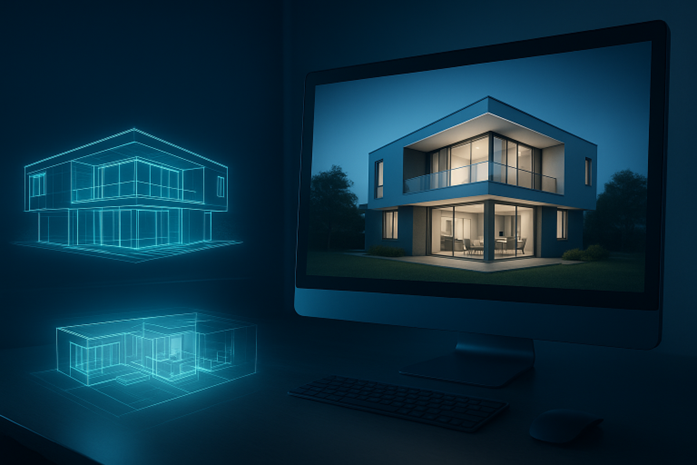
3D rendering is the process of creating a photorealistic or non-photorealistic image from a 3D model using computer software. Simply put, it is like taking a digital photograph of a space, product, or building before it physically exists.
The result is a lifelike visual that showcases how the final project will look in the real world.
Why is 3D Rendering Important?
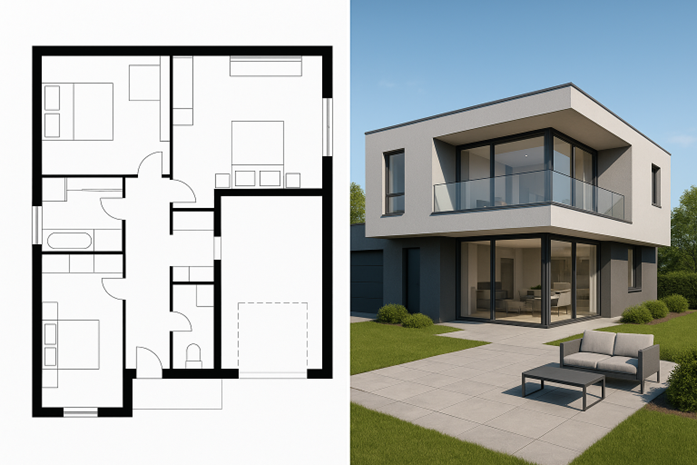
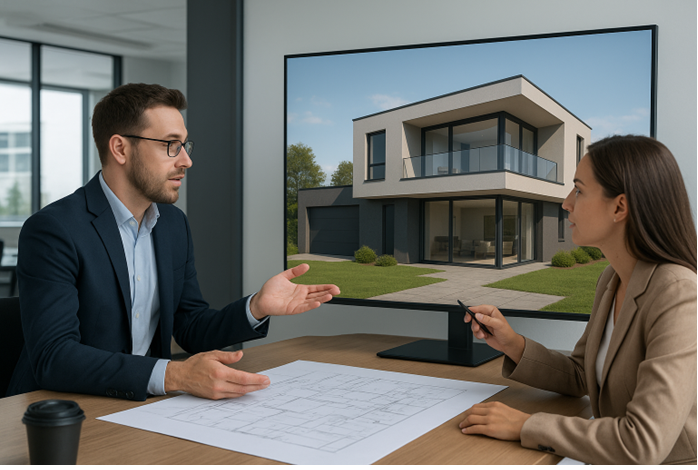
Better Visualization – Clients and stakeholders can easily understand the design instead of relying only on technical drawings.
Informed Decision-Making – Materials, finishes, furniture layouts, and even lighting conditions can be tested virtually before construction.
Time & Cost Saving – Detecting design errors early helps avoid costly changes during construction.
Marketing Advantage – Developers and real estate professionals use high-quality renders to promote and sell projects even before they are built.
Integration with BIM – When combined with Building Information Modeling (BIM), 3D rendering enhances collaboration and coordination across all project stages.
Applications of 3D Rendering
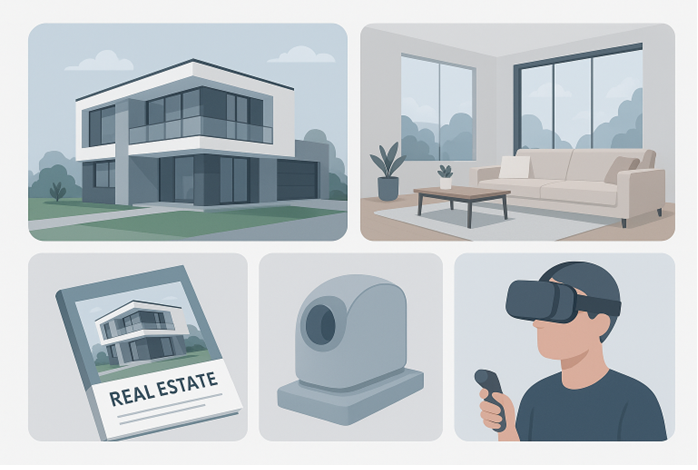
Architecture & Construction – Realistic building elevations, interiors, and walkthroughs.
Interior Design – Detailed previews of furniture, décor, and finishes.
Real Estate – Attractive visuals for brochures, websites, and client presentations.
Product Design – Prototyping and visualizing products before manufacturing.
Virtual Reality (VR) & Augmented Reality (AR) – Immersive experiences for clients and investors.
Popular 3D Rendering Software
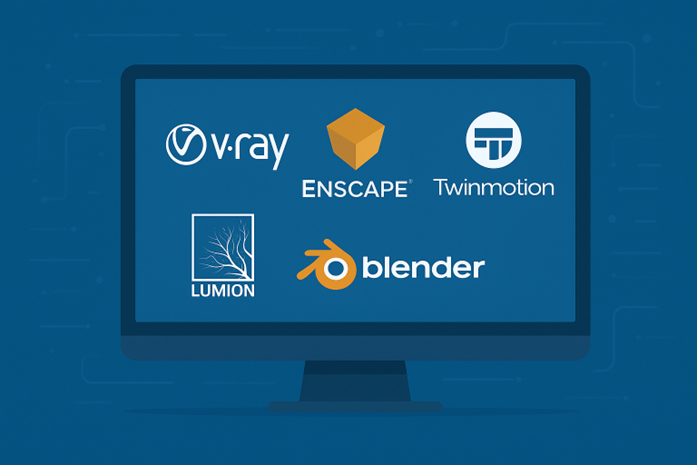
Autodesk 3ds Max + V-Ray – Industry standard for high-quality renders.
Lumion – Quick and easy real-time rendering.
Enscape – Popular for seamless integration with Revit.
Blender – Open-source and versatile option.
Twinmotion – Interactive and real-time visualization.
The Future of 3D Rendering
The world of rendering is evolving rapidly with the integration of AI, real-time rendering engines, VR, and cloud computing. Soon, clients won’t just see still images or videos – they’ll walk through projects in fully interactive digital environments before a single brick is laid.
At Shrelink, we believe that mastering rendering skills along with BIM will set professionals apart in this competitive industry.
Final Thoughts
3D rendering is not just about creating “beautiful pictures.” It’s about bridging the gap between imagination and execution, making communication clearer, and ensuring smarter project outcomes.
If you’re looking to upgrade your skills in design and BIM, Shrelink’s courses and resources can help you explore 3D rendering in depth – from basics to advanced techniques.
✨Stay tuned with Shrelink for more
insights on BIM, design workflows, and cutting-edge tools shaping the future of
the AEC industry.