Introduction
The Architecture, Engineering, and Construction (AEC) industry has undergone a seismic shift over the past century. What was once a labour-intensive sector reliant on paper-based designs and siloed workflows has transformed into a digitally driven, highly collaborative ecosystem. This evolution isn’t just about technological innovation—it’s about reimagining how we design, build, and inhabit the built environment.
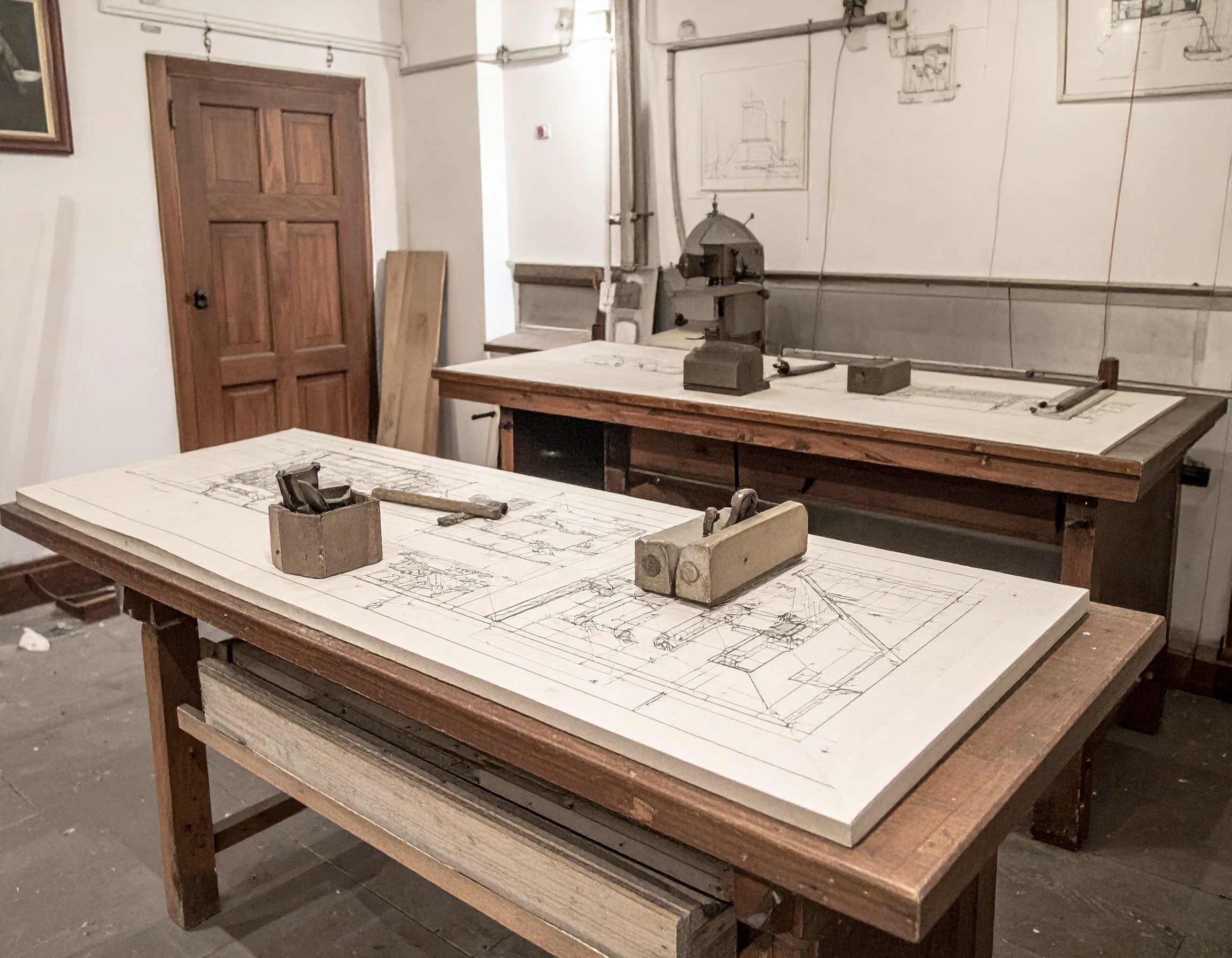
- The Analog Era: Drafting Tables and Manual Methods
Before computers, architects and engineers relied heavily on hand-drawn blueprints, physical models, and onsite problem-solving. Each discipline often worked in isolation, leading to miscommunications and inefficiencies. Construction was linear and slow, and errors in documentation often resulted in costly delays.
Key Characteristics:
- Manual drafting with ink and mylar
- Limited coordination between disciplines
- Construction documents prone to human error
- The Rise of CAD: Precision and Productivity
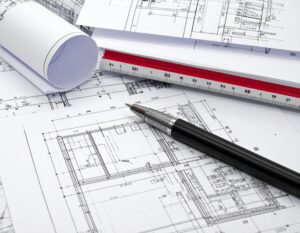
The introduction of Computer-Aided Design (CAD) in the 1980s marked a turning point. CAD replaced drafting tables with digital workstations, enabling more accurate drawings, quicker revisions, and the standardization of documentation.
Impact:
- Enhanced precision and reduced drafting time
- Easier editing and replication of drawings
- 2D and eventually 3D modelling capabilities
However, CAD still operated in silos—files were shared via physical media or email, and collaboration remained sequential rather than simultaneous.
- The BIM Revolution: Integrated and Intelligent Design
Enter Building Information Modelling (BIM). Unlike CAD, BIM allows for the creation of intelligent 3D models that contain not just geometry but rich data about materials, schedules, costs, and lifecycle performance. BIM enables real-time collaboration across stakeholders and has fundamentally changed how buildings are conceived and delivered.
Benefits of BIM:
- Centralized model for all stakeholders
- Clash detection and design coordination
- Enhanced visualization and simulation
- Lifecycle management and sustainability planning
Today, BIM is more than a design tool—it’s a project management platform and a foundation for smart building initiatives.

- Digital Twins and AI: The Future Is Now
The evolution continues with Digital Twins, Artificial Intelligence, and cloud-based platforms transforming how buildings are monitored, maintained, and optimized. A digital twin—a live replica of a building—enables real-time data integration for predictive maintenance and energy efficiency.
AI-powered tools are now assisting in:
- Generative design
- Site analysis
- Construction robotics
- Safety and risk assessment
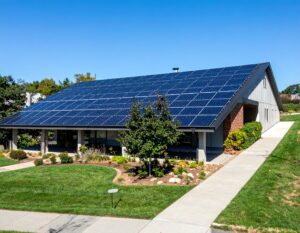
- Sustainability and the Shift to Net-Zero
The industry is also responding to the climate crisis. Today’s AEC practices are increasingly guided by sustainable design, green certifications (LEED, BREEAM), and carbon-neutral construction. Innovations in materials, modular construction, and energy modelling are critical components of the new AEC paradigm.
Conclusion: A Connected, Conscious Industry
The AEC industry’s evolution is far from over. What started as a manual craft has become a data-rich, collaborative endeavour. As technologies like BIM, AI, and digital twins mature, the industry is poised to deliver smarter, greener, and more resilient infrastructure.
The future of AEC isn’t just about building—it’s about building better, together.