
Introduction
The AEC industry — encompassing Architecture, Engineering, and Construction — forms the backbone of infrastructure development across the globe. Whether it’s towering skyscrapers, smart cities, or sustainable housing, the AEC sector is at the core of turning blueprints into the built environment. With the advent of digital technologies and an increasing focus on sustainability, the industry is undergoing a transformative shift. In this blog, we dive deep into the AEC ecosystem, its key components, challenges, innovations, and where it’s headed next.
- What Is the AEC Industry?
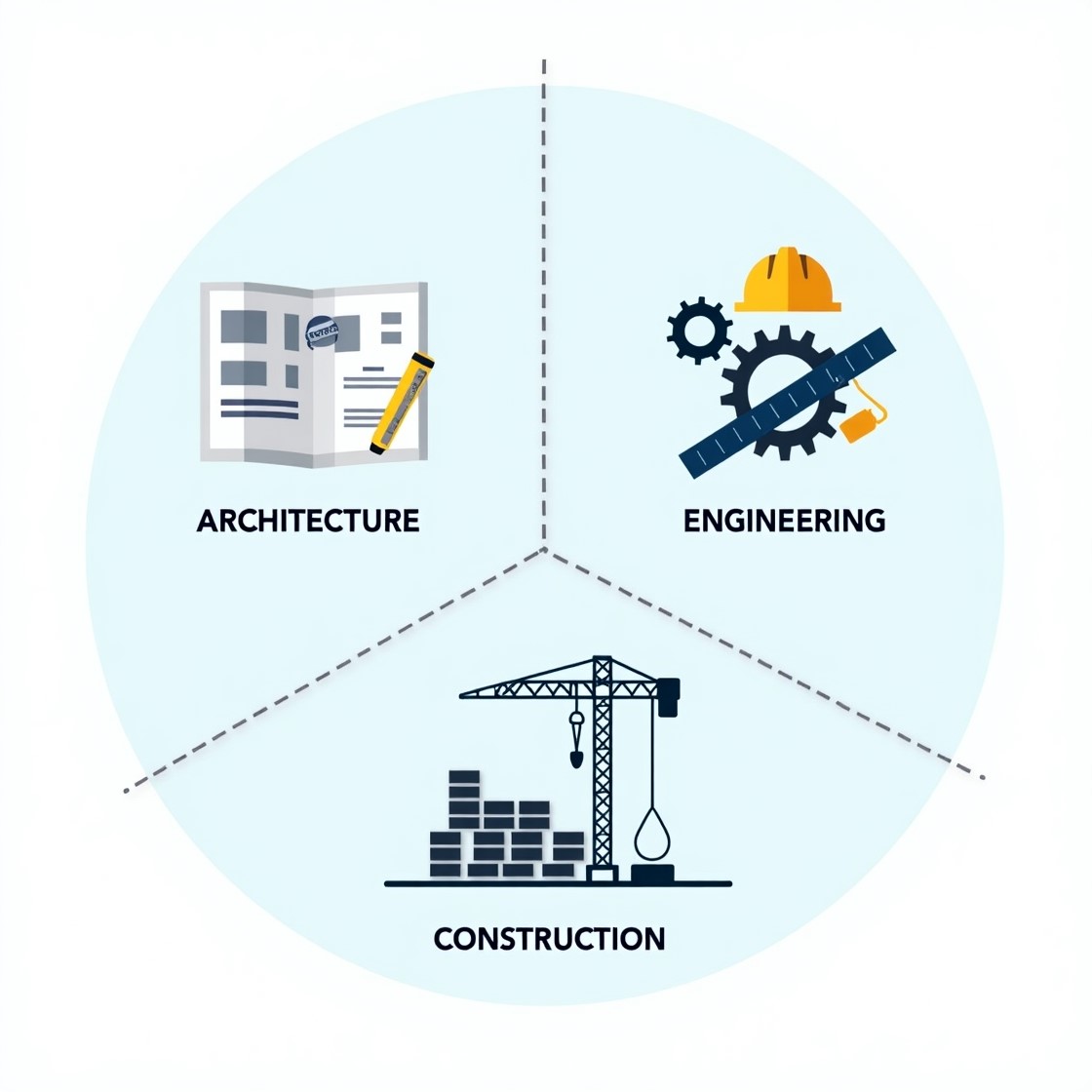
The AEC industry refers to the collaboration of Architects, Engineers, and Construction professionals involved in planning, designing, and building physical structures.
- Architecture: Focuses on the design and aesthetics of buildings, spatial planning, and functionality.
- Engineering: Encompasses structural, civil, mechanical, electrical, and environmental systems essential for the building’s stability and operation.
- Construction: Translates plans into physical reality, managing materials, labour, timelines, and costs.
These disciplines work in tandem, often in highly collaborative and iterative processes.
- Key Stakeholders in the AEC Ecosystem

- Clients/Owners: Initiate and fund projects.
- Architects and Designers: Create design concepts and drawings.
- Engineers (Structural, MEP, Civil, etc.): Ensure structural integrity, safety, and service integration.
- Contractors and Builders: Manage construction logistics and implementation.
- Consultants (BIM, Sustainability, etc.): Provide technical and regulatory expertise.
- Facility Managers: Handle post-construction building operations.
- The Role of Technology in AEC
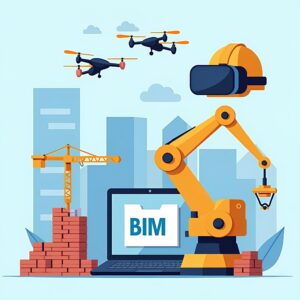
Digital transformation is reshaping the AEC industry. The rise of Building Information Modelling (BIM), AI, IoT, AR/VR, and cloud collaboration is streamlining workflows, improving decision-making, and reducing errors.
Key Technologies Driving Change:
- Building Information Modelling (BIM): Digital representation of physical and functional characteristics of a facility; improves coordination and visualization.
- Generative Design: AI-driven algorithms create optimized design alternatives based on set parameters.
- Digital Twins: Real-time digital replica of buildings for monitoring and management.
- Drones and Laser Scanning: Enhance site surveying and progress tracking.
- Construction Management Software: Improves planning, scheduling, and cost control.
- Current Trends in the AEC Industry
- Sustainable and Green Building
There’s a growing emphasis on energy efficiency, carbon neutrality, and eco-friendly materials. Certifications like LEED and WELL are gaining prominence.
- Modular and Prefabricated Construction
Pre-assembled components are transforming on-site construction timelines and labour requirements, reducing costs and waste.
- Integrated Project Delivery (IPD)
A collaborative approach that aligns interests of all stakeholders — owners, architects, contractors — to reduce project risks and improve outcomes.
- Smart Buildings and IoT
Integration of sensors and automation systems enables buildings to monitor and adapt energy use, climate control, and security.
- Challenges in the AEC Sector
Despite advancements, the industry faces multiple hurdles:
- Fragmentation of Teams and Workflows
- Skilled Labor Shortages
- Cost Overruns and Delays
- Data Interoperability
- Compliance with Regulations and Standards
Efforts are underway to create more unified platforms and standardized protocols for seamless collaboration.
- The Future of the AEC Industry
- AI and Machine Learning
Predictive analytics will help in optimizing designs, reducing material wastage, and forecasting project outcomes.
- Sustainable Urban Development
The focus will shift from individual buildings to smart, sustainable cities, using data to optimize resource use, transportation, and liability.
- Global Collaboration
Cloud-based platforms will enable teams to collaborate across geographies in real time.
- Construction Robotics
Robotics and automation will handle repetitive tasks, improving safety and productivity.
- Career Opportunities in AEC
The AEC industry offers diverse career paths:
- Architect
- Structural/Civil/MEP Engineer
- BIM Coordinator/Manager
- Construction Manager
- Quantity Surveyor
- Urban Planner
- Sustainability Consultant
- Facilities Manager
With new technologies, roles such as Computational Designer, Digital Construction Specialist, and Smart Building Engineer are emerging rapidly.
Conclusion
The AEC industry is no longer just about blueprints and hard hats. It’s an evolving, tech-enabled ecosystem committed to reshaping the world we live in — more sustainably, efficiently, and intelligently. For professionals, businesses, and governments alike, embracing innovation in AEC is not just an option — it’s a necessity for future-ready infrastructure.
Interested in learning more about BIM or digital tools in AEC? Contact us or explore our upcoming courses!