Transforming Spaces: The Power of Interior Designing
September 08, 2025
Transforming Spaces: The Power of Interior Designing
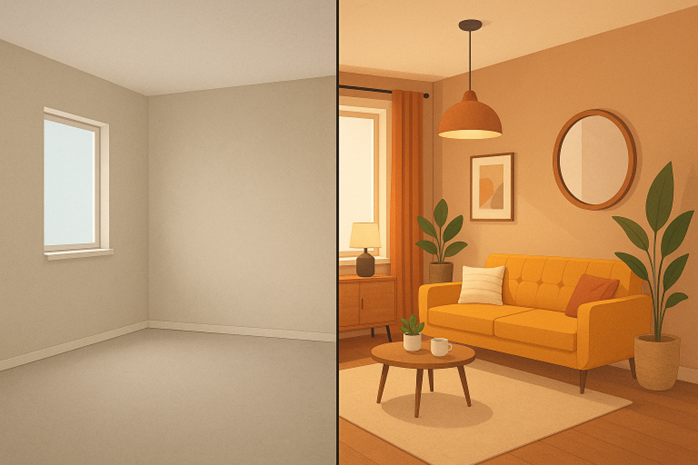
Interior Design is more than just decorating—it’s about shaping experiences. A well-designed space reflects personality, enhances functionality, and creates an environment where people feel inspired and comfortable. Whether it’s a cozy home, a modern office, or a luxurious hotel, interior design plays a crucial role in how we interact with our surroundings.
Why Interior Design Matters
Functionality First – Good design ensures that every space, no matter how big or small, serves a purpose efficiently.
Aesthetic Appeal – Thoughtful design transforms plain rooms into visually pleasing and inspiring spaces.
Mood & Well-being – Colors, lighting, and layouts influence how we feel. For example, warm tones create coziness, while natural light boosts productivity.
Value Addition – Professionally designed interiors increase property value and make spaces more attractive to potential buyers or clients.
Key Elements of Interior Design
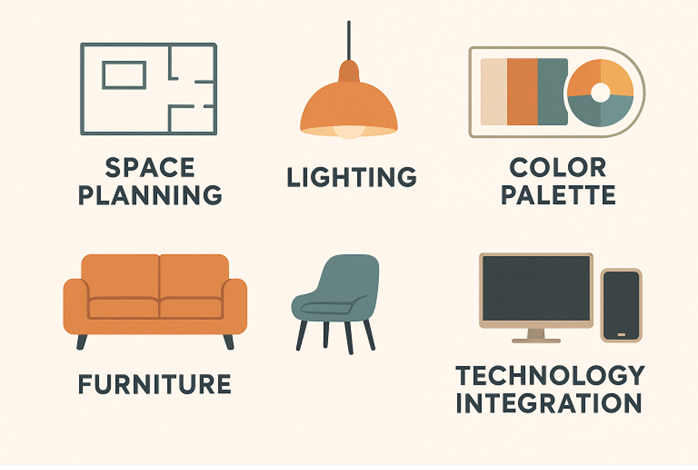
Space Planning – Arranging furniture and decor to optimize movement and usability.
Lighting – Natural and artificial lighting bring life to interiors and highlight design features.
Colors & Textures – Choosing the right palette and materials sets the mood of a space.
Furniture & Decor – Each element should complement both style and functionality.
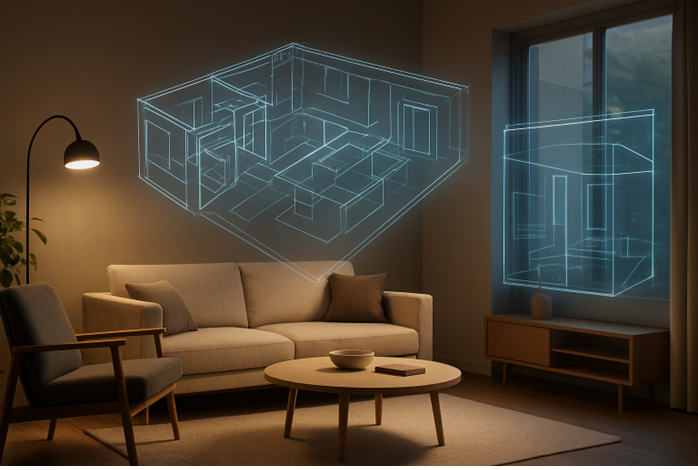
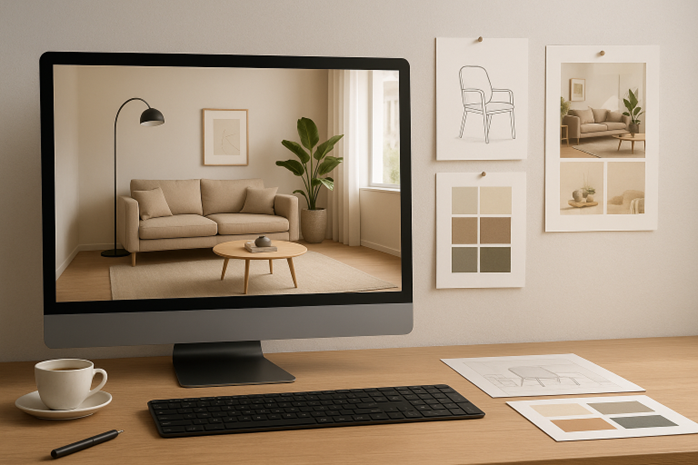
Technology Integration – Smart homes, 3D visualization, and virtual walkthroughs are revolutionizing how we plan interiors.
Trends Shaping Modern Interior Design
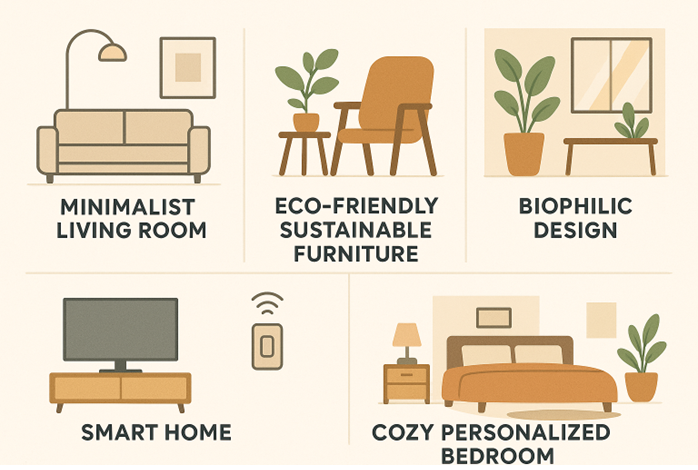
Minimalism with Warmth – Clean lines, open spaces, and functional furniture balanced with cozy textures.
Sustainable Design – Eco-friendly materials, recycled furniture, and energy-efficient solutions.
Biophilic Design – Incorporating plants, natural light, and organic materials to bring nature indoors.
Smart Homes – Technology-driven interiors with automation for lighting, climate, and security.
Personalized Spaces – Custom furniture and unique decor tailored to individual lifestyles.
The Role of 3D Rendering in Interior Design
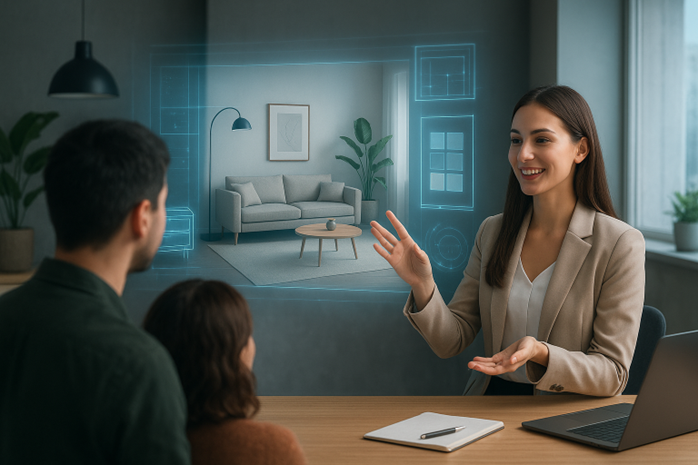
Before making investments, clients want to see how their space will look. 3D rendering and visualization make it possible:
Realistic previews of layouts and finishes.
Easy design modifications before execution.
Better communication between clients and designers.
Conclusion
Interior design is not just about making spaces beautiful—it’s about making them meaningful and livable. At Shrelink, we believe that every space tells a story, and our goal is to help you design one that reflects your vision. With the right design choices, you can transform an ordinary room into an extraordinary experience.